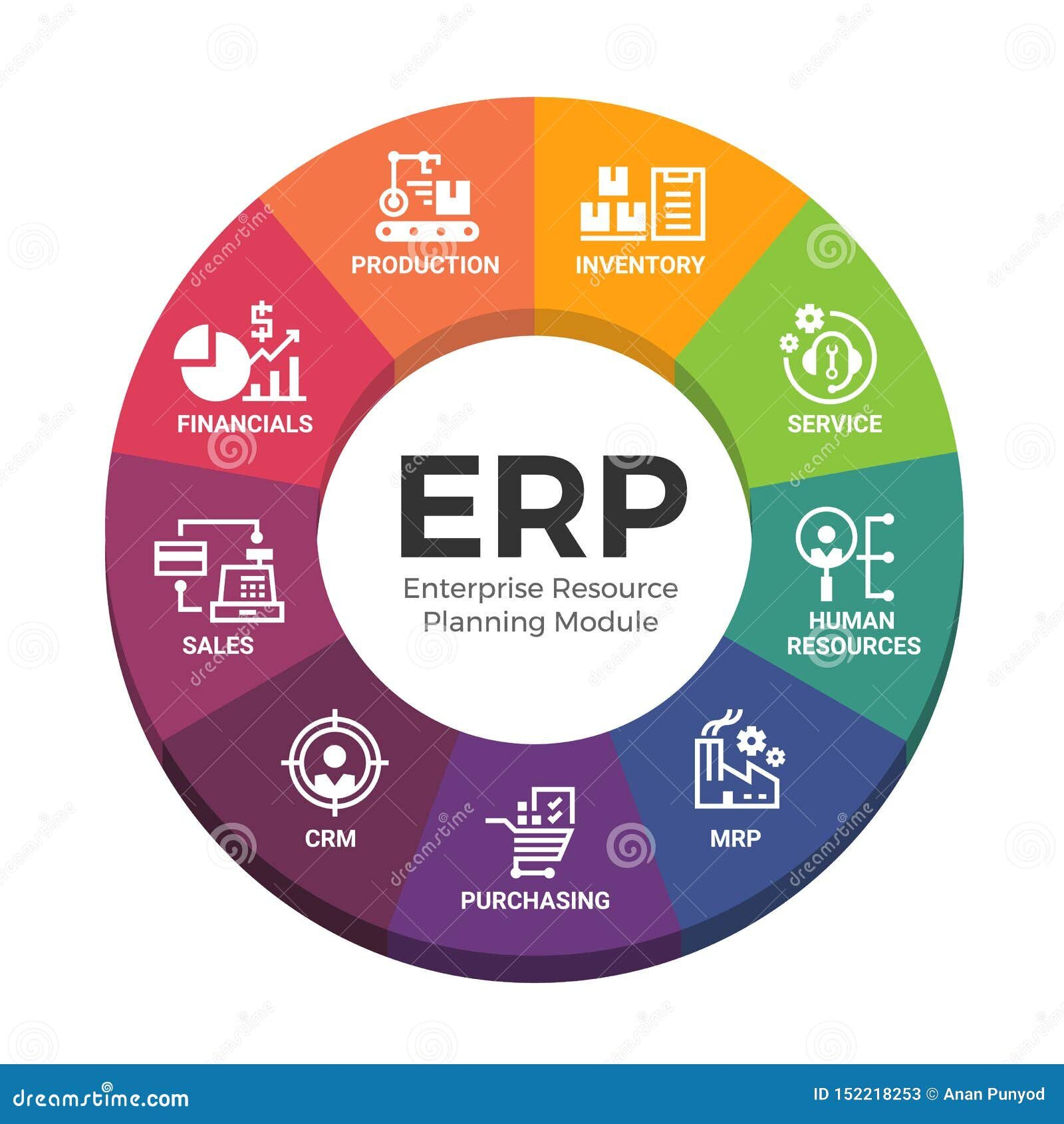
Welcome to our guide on the top ERP software solutions in Bangladesh! Whether you are a small business looking to streamline your operations or a large corporation in need of advanced data management tools, choosing the right ERP software is crucial for your success. In this article, we will explore the top software solutions available in Bangladesh that can help you optimize your business processes and drive growth. Let’s dive in and discover the best options for your company!
Top Features of ERP Software in Bangladesh
When it comes to choosing the best ERP software in Bangladesh, there are several key features that businesses should look for to ensure they are getting the most out of their investment. These features not only streamline processes and increase efficiency, but also provide a competitive edge in the fast-paced business landscape of Bangladesh.
One of the top features of ERP software in Bangladesh is localization. This means that the software is tailored to the specific needs and requirements of businesses operating in Bangladesh. From currency settings to tax regulations, a localized ERP system ensures that companies can comply with local laws and regulations seamlessly. This feature is crucial for businesses looking to expand their operations in Bangladesh or those looking to streamline their existing processes.
Another important feature of ERP software in Bangladesh is multi-currency support. In a country like Bangladesh, where businesses often deal with international clients and suppliers, the ability to transact in multiple currencies is essential. A good ERP system should allow users to easily switch between different currencies, manage exchange rates, and generate accurate financial reports in various currencies.
Integration capabilities are also a key feature of ERP software in Bangladesh. Businesses in Bangladesh often use a variety of software systems to manage different aspects of their operations, such as accounting, inventory, and sales. A robust ERP system should be able to seamlessly integrate with these existing systems, eliminating the need for manual data entry and ensuring that information flows smoothly between different departments.
Customization options are another important feature to look for in ERP software in Bangladesh. Every business is unique, and a one-size-fits-all solution may not always meet the specific needs of a company. The ability to customize the ERP system according to the specific requirements of a business allows companies to tailor the software to their workflows, processes, and reporting needs, ultimately leading to a more efficient and effective system.
Mobile access is another feature that businesses in Bangladesh should consider when choosing an ERP software. With the rapid rise of smartphones and mobile devices in the country, the ability to access and manage ERP systems on the go is becoming increasingly important. A good ERP system should offer mobile apps or a responsive web interface that allows users to access important information and perform key tasks from anywhere, at any time.
In conclusion, the best ERP software in Bangladesh should have a range of features that cater to the specific needs of businesses operating in the country. From localization and multi-currency support to integration capabilities and customization options, these features help businesses streamline processes, increase efficiency, and stay competitive in the dynamic business environment of Bangladesh.
Benefits of Implementing ERP Systems in Bangladeshi Businesses
Implementing ERP systems in Bangladeshi businesses can provide a wide range of benefits and advantages. One of the main benefits is increased efficiency and productivity. ERP systems streamline business processes by integrating and automating various functions such as accounting, human resources, inventory management, and customer relationship management. This not only saves time but also reduces the risk of errors and duplication of work.
Another benefit of implementing ERP systems is improved decision-making. With real-time data and information at their fingertips, businesses can make better and faster decisions. This helps in identifying trends, forecasting market demands, and optimizing resources. Moreover, ERP systems provide insightful reports and analytics that enable management to monitor performance, track key metrics, and make informed strategic decisions.
Cost reduction is also a significant advantage of implementing ERP systems. By streamlining processes, eliminating manual tasks, and reducing paperwork, businesses can save on operational costs. Furthermore, ERP systems help in better inventory management, reducing stock levels, minimizing wastage, and optimizing supply chain operations. This leads to cost savings and increased profitability in the long run.
Enhanced collaboration and communication are additional benefits of ERP systems. With a centralized database and a unified platform, employees from different departments can easily access and share information. This improves teamwork, coordination, and communication within the organization. Additionally, ERP systems enable remote access, allowing employees to work from anywhere, anytime, and on any device, which enhances flexibility and productivity.
Improved customer satisfaction is another advantage of implementing ERP systems in Bangladeshi businesses. By integrating sales, marketing, and customer service functions, businesses can provide better customer support, personalized services, and quicker response times. This helps in building stronger customer relationships, increasing loyalty, and driving repeat business. Moreover, ERP systems enable businesses to track customer interactions, preferences, and feedback, helping them tailor products and services to meet customer needs and expectations.
In conclusion, implementing ERP systems in Bangladeshi businesses offers a myriad of benefits, including increased efficiency, improved decision-making, cost reduction, enhanced collaboration, and improved customer satisfaction. By investing in an ERP system, businesses can streamline operations, optimize resources, and gain a competitive edge in the market. It is essential for Bangladeshi businesses to embrace digital transformation and leverage technology to drive growth and success in today’s fast-paced business environment.
Case Studies of Successful ERP Implementation in Bangladesh
Implementing an ERP system is no small feat, especially in a country like Bangladesh where businesses may face various challenges such as limited resources, lack of technical expertise, and resistance to change. However, there have been several successful ERP implementations in Bangladesh that have transformed the way businesses operate and manage their processes. Let’s take a look at some case studies of successful ERP implementation in Bangladesh:
1. Robi Axiata Limited: Robi Axiata Limited, one of the leading telecommunication companies in Bangladesh, implemented an ERP system to streamline their operations and improve efficiency. By integrating various departments such as finance, human resources, and supply chain management into a single platform, Robi was able to improve communication and collaboration among employees. This resulted in cost savings, increased productivity, and better decision-making processes.
2. Square Pharmaceuticals Limited: Square Pharmaceuticals Limited, a pharmaceutical company in Bangladesh, implemented an ERP system to manage their complex manufacturing processes and inventory. With the help of the ERP system, Square Pharmaceuticals was able to automate their production processes, optimize inventory levels, and track the performance of their products in real-time. This not only improved their operational efficiency but also helped them make informed decisions to meet customer demands effectively.
3. PRAN-RFL Group: PRAN-RFL Group, one of the largest conglomerates in Bangladesh, implemented an ERP system to streamline their business operations and improve overall efficiency. By integrating their sales, distribution, and finance processes into a single platform, PRAN-RFL Group was able to gain better visibility into their operations and make data-driven decisions. This led to improved customer service, reduced operational costs, and increased profitability for the company. Additionally, the ERP system helped PRAN-RFL Group comply with regulatory requirements and adhere to industry standards, ensuring a competitive edge in the market.
These case studies demonstrate that successful ERP implementation in Bangladesh is possible with proper planning, strong leadership, and commitment from all stakeholders. By leveraging the power of ERP systems, businesses in Bangladesh can overcome operational challenges, improve efficiency, and achieve sustainable growth in the long run.
Tips for Choosing the Right ERP Software Provider in Bangladesh
Choosing the right ERP software provider in Bangladesh can be a daunting task, especially with the numerous options available in the market. Here are some tips to help you make an informed decision and select the best ERP software provider for your business:
1. Define Your Requirements: Before you start looking for an ERP software provider, it is essential to define your business requirements. Consider the size of your organization, the industry you operate in, and the specific functionalities you need in an ERP system. This will help you narrow down your options and find a provider that can meet your needs.
2. Research Potential Providers: Once you have a clear understanding of your requirements, start researching potential ERP software providers in Bangladesh. Look for providers with a good reputation, experience in your industry, and a track record of successful implementations. Reading customer reviews and testimonials can also provide valuable insights into the provider’s reliability and customer satisfaction.
3. Evaluate System Integration: When evaluating ERP software providers, consider their ability to integrate with other systems and applications used in your organization. Seamless integration is crucial for maximizing the efficiency of your ERP system and ensuring that all your business processes are interconnected. Choose a provider that offers flexible integration options and has experience working with similar systems.
4. Assess Training and Support Services: Another critical factor to consider when choosing an ERP software provider in Bangladesh is the quality of their training and support services. A robust training program can help your employees quickly adapt to the new system and maximize its benefits. Additionally, reliable support services are essential for resolving any issues or technical challenges that may arise during and after the implementation process. Look for a provider that offers comprehensive training programs and responsive support services to ensure a smooth transition to your new ERP system.
5. Consider Scalability and Customization: As your business grows and evolves, your ERP system needs to be able to scale and adapt to your changing requirements. Choose a provider that offers scalable solutions and customization options to accommodate your current needs and future growth. A flexible ERP system can provide long-term value and help your organization stay competitive in a dynamic business environment.
6. Compare Pricing and Licensing Options: Finally, consider the pricing and licensing options offered by different ERP software providers in Bangladesh. While cost should not be the sole determining factor, it is essential to choose a provider that offers transparent pricing models and flexible licensing options that align with your budget and business goals. Compare the total cost of ownership, including implementation, training, and ongoing support, to make an informed decision that meets your financial requirements.
By following these tips and conducting thorough research, you can successfully choose the right ERP software provider in Bangladesh and implement a system that enhances your business operations and drives growth and profitability. Remember to prioritize your specific requirements, evaluate the provider’s reputation and expertise, and consider long-term scalability and support services to make the best decision for your organization.
The Future of ERP Technology in the Bangladesh Market
ERP (Enterprise Resource Planning) software has become increasingly popular in Bangladesh as businesses look for efficient ways to manage their operations and data. As technology continues to evolve, the future of ERP technology in the Bangladesh market is poised for significant growth and development.
1. Artificial Intelligence Integration:
One of the key advancements in ERP technology in Bangladesh is the integration of artificial intelligence (AI). AI capabilities allow ERP systems to automate repetitive tasks, analyze data more efficiently, and provide valuable insights for decision-making. As AI continues to improve, we can expect to see even more advanced features and functionalities in ERP software that cater to the specific needs of businesses in Bangladesh.
2. Cloud-Based ERP Solutions:
Cloud-based ERP solutions are becoming increasingly popular in Bangladesh due to their flexibility, scalability, and cost-effectiveness. Businesses are now able to access their ERP systems from anywhere with an internet connection, making it easier to collaborate with team members and access real-time data. The adoption of cloud-based ERP solutions is expected to continue to grow in Bangladesh as more businesses realize the benefits of this technology.
3. Mobile ERP Applications:
With the widespread use of smartphones in Bangladesh, mobile ERP applications are gaining traction among businesses. Mobile ERP apps allow users to access their ERP systems on the go, enabling real-time data tracking and communication. As mobile technology continues to advance, we can expect to see more sophisticated mobile ERP applications that cater to the needs of businesses in Bangladesh.
4. Integration with IoT (Internet of Things):
Another trend that is shaping the future of ERP technology in the Bangladesh market is the integration with IoT. By connecting ERP systems with IoT devices, businesses can gather real-time data from sensors and other devices to improve operational efficiency and decision-making. As IoT technology becomes more pervasive in Bangladesh, we can expect to see more ERP systems offering seamless integration with IoT devices.
5. Customization and Personalization:
Customization and personalization are becoming increasingly important for businesses in Bangladesh as they look for ERP solutions that meet their unique needs. The future of ERP technology in the Bangladesh market will likely see a greater emphasis on customizable features that allow businesses to tailor their ERP systems to their specific requirements. This trend will enable businesses in Bangladesh to optimize their operations and improve efficiency by ensuring that their ERP systems align with their business processes and goals.