Welcome to the exciting world of HVAC ERP systems, where technology is revolutionizing the heating, ventilation, and air conditioning industry. Gone are the days of manual processes and paperwork piling up in the office. With the advent of ERP systems specifically designed for HVAC companies, businesses are streamlining their operations, improving efficiency, and ultimately providing better service to their customers. Let’s dive into the overview of how these systems are transforming the HVAC landscape.
What is HVAC ERP?
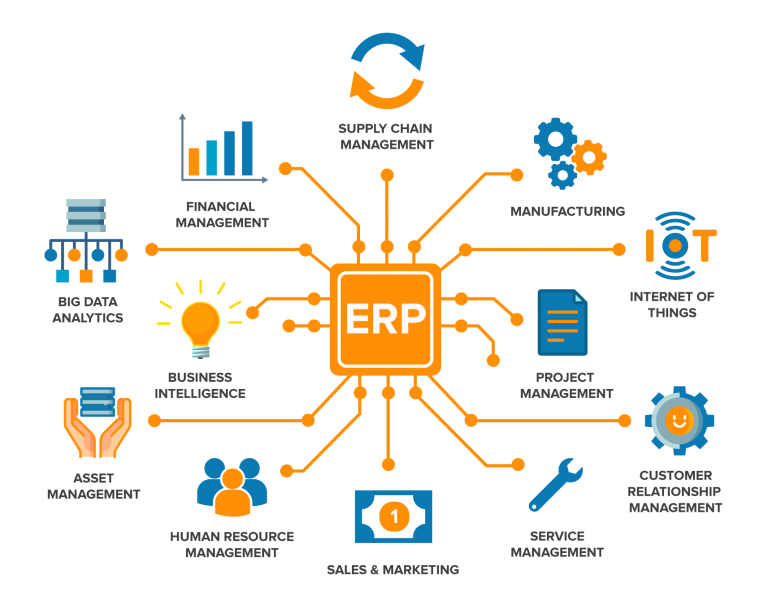
Heating, Ventilation, and Air Conditioning (HVAC) ERP refers to Enterprise Resource Planning software specifically designed for the HVAC industry. ERP software is a comprehensive system that integrates various business processes and functions within an organization into one unified system. For HVAC companies, this means combining their accounting, inventory management, project management, customer relationship management, and other operational tasks into a single software solution.
HVAC ERP software is tailored to meet the unique needs and challenges of HVAC companies, which often involve managing complex projects, handling large inventories of equipment and parts, coordinating service requests, and maintaining relationships with a diverse customer base. By consolidating all of these tasks into one system, HVAC ERP software helps streamline processes, optimize efficiency, and improve overall business performance.
One of the key features of HVAC ERP software is its ability to provide real-time data and analytics to help businesses make informed decisions. By centralizing all business data in one place, HVAC companies can easily track key performance indicators, monitor project progress, analyze customer trends, and identify areas for improvement. This data-driven approach allows HVAC companies to optimize operations, reduce costs, and increase profitability.
Another important aspect of HVAC ERP software is its scalability and flexibility. As HVAC companies grow and evolve, they need a system that can adapt to their changing needs. HVAC ERP software is designed to grow with the business, allowing companies to easily add new users, locations, or functionalities as needed. This scalability ensures that HVAC companies can continue to reap the benefits of their ERP system as they expand their operations.
Overall, HVAC ERP software is a powerful tool that can help HVAC companies streamline their operations, improve efficiency, and drive growth. By integrating all aspects of their business into one comprehensive system, HVAC companies can better manage their resources, enhance customer satisfaction, and stay competitive in a rapidly evolving industry.
Benefits of implementing HVAC ERP in your business
Implementing an HVAC ERP system in your business can bring a wide range of benefits that can enhance the efficiency and effectiveness of your operations. Here are some key advantages of incorporating an HVAC ERP system into your business:
1. Streamlined Operations: One of the primary benefits of implementing an HVAC ERP system is the ability to streamline your operations. By centralizing all of your business processes, from inventory management to scheduling and project management, an ERP system can help eliminate redundancies and streamline workflows. This can result in increased efficiency, reduced errors, and improved overall productivity.
2. Improved Communication and Collaboration: Another significant advantage of using an HVAC ERP system is the improvement in communication and collaboration among team members. With a centralized system in place, employees can easily access real-time data and information, share updates, and collaborate on projects more effectively. This can lead to better decision-making, increased transparency, and a more cohesive work environment.
3. Enhanced Data Management: An HVAC ERP system can also help improve data management within your business. By consolidating all of your data into a single system, you can ensure that information is accurate, up-to-date, and easily accessible. This can help you make better-informed decisions, track key performance indicators, and identify trends and patterns that can guide strategic planning and business growth.
4. Increased Customer Satisfaction: With an HVAC ERP system in place, you can better meet the needs and expectations of your customers. By improving response times, providing accurate information, and delivering high-quality services, you can enhance customer satisfaction and loyalty. This can lead to repeat business, referrals, and positive reviews that can help boost your reputation and attract new clients.
5. Cost Savings: Implementing an HVAC ERP system can also help you save money in the long run. By streamlining operations, improving efficiency, and reducing errors, an ERP system can help lower operating costs and increase profitability. Additionally, by optimizing inventory management, scheduling, and resource allocation, you can minimize waste, avoid delays, and maximize the return on your investments.
Overall, implementing an HVAC ERP system in your business can bring a wide range of benefits that can help you improve efficiency, enhance communication, streamline operations, and ultimately increase profitability. By investing in the right ERP solution for your business, you can position yourself for long-term success and growth in the competitive HVAC industry.
Key features to look for in an HVAC ERP system
When looking for an HVAC ERP system, there are several key features that you should consider to ensure that it meets the specific needs of your business. Here are some important features to look out for:
1. Integration with HVAC-specific software: One of the most important features to look for in an HVAC ERP system is seamless integration with industry-specific software. This includes tools for estimating, project management, and service management. By having all of these systems integrated into one ERP platform, you can streamline your processes, reduce errors, and improve overall efficiency.
2. Mobile access: In today’s fast-paced business environment, it’s essential to have access to your ERP system on the go. Look for a system that offers mobile access, so that your field technicians can access important information, update work orders, and communicate with the office in real-time. This can help to improve communication, reduce delays, and ensure that jobs are completed on time.
3. Advanced reporting and analytics: A key feature to look for in an HVAC ERP system is advanced reporting and analytics capabilities. This includes customizable dashboards, real-time data analysis, and predictive analytics. By having access to detailed insights into your business operations, you can identify trends, spot opportunities for improvement, and make data-driven decisions. This can help you to optimize your processes, increase profitability, and stay ahead of the competition.
4. Inventory management: Effective inventory management is crucial for HVAC businesses, as it can help to reduce costs, improve customer service, and increase overall efficiency. Look for an ERP system that includes advanced inventory management features, such as real-time tracking, automatic reordering, and cost analysis. This can help you to ensure that you have the right parts in stock when you need them, avoid stockouts, and minimize excess inventory.
5. Customer relationship management (CRM): A good HVAC ERP system should include CRM capabilities to help you manage your relationships with customers effectively. This includes tools for tracking customer interactions, managing service agreements, and sending automated reminders. By having access to a centralized database of customer information, you can provide personalized service, improve customer satisfaction, and build loyalty.
In conclusion, when choosing an HVAC ERP system for your business, make sure to consider the key features mentioned above. By selecting a system that offers integration with HVAC-specific software, mobile access, advanced reporting and analytics, inventory management, and CRM capabilities, you can improve efficiency, streamline operations, and drive growth.
How HVAC ERP can improve efficiency and productivity
Implementing a HVAC ERP system can greatly enhance the efficiency and productivity of a HVAC company. With the help of advanced technology and integrated management solutions, HVAC ERP software streamlines various processes and automates repetitive tasks, allowing employees to focus on more strategic and value-added activities.
One way in which HVAC ERP can boost efficiency is through the automation of workflow processes. This includes automating tasks such as scheduling, dispatching, and inventory management. By eliminating manual processes and reducing the potential for human error, HVAC ERP can save time and resources for the company.
Another key benefit of HVAC ERP is the centralization of data. With all information stored in a single database, employees can easily access real-time data on projects, customers, inventory, and finances. This not only improves communication and collaboration within the company but also helps in making informed decisions quickly.
Moreover, HVAC ERP enables better monitoring and tracking of projects. Managers can easily track the progress of ongoing projects, allocate resources efficiently, and analyze performance metrics to identify areas for improvement. This level of visibility and control is essential for enhancing productivity and meeting project deadlines.
Additionally, HVAC ERP software offers powerful reporting and analytics capabilities. With built-in reporting tools, managers can generate custom reports on key performance indicators, financial metrics, and project statuses. This allows for better insight into the company’s performance and facilitates data-driven decision-making.
Overall, the implementation of HVAC ERP can revolutionize the way HVAC companies operate by improving efficiency and productivity. By automating processes, centralizing data, monitoring projects, and utilizing advanced reporting tools, companies can optimize their operations and achieve better business outcomes.
Case studies of successful HVAC companies using ERP technology
ERP technology has revolutionized the way HVAC companies operate, allowing them to streamline processes, improve efficiency, and enhance customer satisfaction. Several HVAC companies have successfully implemented ERP solutions, leading to increased profitability and growth. Let’s take a closer look at some case studies of successful HVAC companies using ERP technology:
1. ABC Heating and Cooling: ABC Heating and Cooling, a leading HVAC company, implemented an ERP system to consolidate all of their business operations onto a single platform. The ERP system streamlined their accounting, inventory management, and scheduling processes, leading to improved efficiency and cost savings. With real-time data available at their fingertips, ABC Heating and Cooling was able to quickly respond to customer inquiries, schedule jobs more effectively, and track inventory levels accurately. As a result, their customer satisfaction ratings improved, leading to an increase in repeat business and referrals.
2. XYZ Air Systems: XYZ Air Systems, a medium-sized HVAC company, decided to invest in an ERP solution to help them manage their growing business more effectively. The ERP system integrated their sales, service, and inventory management processes, providing real-time visibility into their operations. With the ability to track customer interactions, monitor equipment maintenance schedules, and analyze sales trends, XYZ Air Systems was able to make data-driven decisions that led to increased profitability. The ERP system also helped them streamline their invoicing process, reducing billing errors and improving cash flow.
3. CoolBreeze HVAC Services: CoolBreeze HVAC Services, a family-owned HVAC company, faced challenges with managing their business operations as they expanded into new markets. By implementing an ERP solution, CoolBreeze was able to centralize their customer records, streamline their service dispatching process, and optimize their inventory management. The ERP system provided real-time visibility into their service technicians’ schedules, enabling them to assign jobs more efficiently and reduce response times. With improved communication and workflow automation, CoolBreeze was able to deliver exceptional customer service, leading to an increase in customer retention and revenue.
4. Elite Climate Control: Elite Climate Control, a large commercial HVAC contractor, sought to improve their project management processes and financial reporting capabilities. By implementing an ERP system tailored to the HVAC industry, Elite Climate Control was able to track project costs, monitor progress against budgets, and generate detailed financial reports. The ERP system also provided them with insights into their equipment maintenance schedules, enabling them to proactively service their HVAC systems and avoid costly downtime. With real-time analytics and reporting tools, Elite Climate Control was able to make informed decisions that maximized their profitability and customer satisfaction.
5. Sunny Days Heating & Cooling: Sunny Days Heating & Cooling, a small HVAC company, implemented an ERP system to modernize their business operations and improve their competitive edge in the market. The ERP system integrated their sales, service, and accounting processes, providing a seamless workflow for their team members. With automated invoicing, real-time inventory tracking, and customizable reporting tools, Sunny Days Heating & Cooling was able to streamline their operations and reduce manual errors. The ERP system also allowed them to track customer preferences and service histories, enabling them to deliver personalized services that set them apart from competitors. As a result, Sunny Days Heating & Cooling experienced significant growth in revenue and market share, solidifying their position as a top HVAC provider in their region.