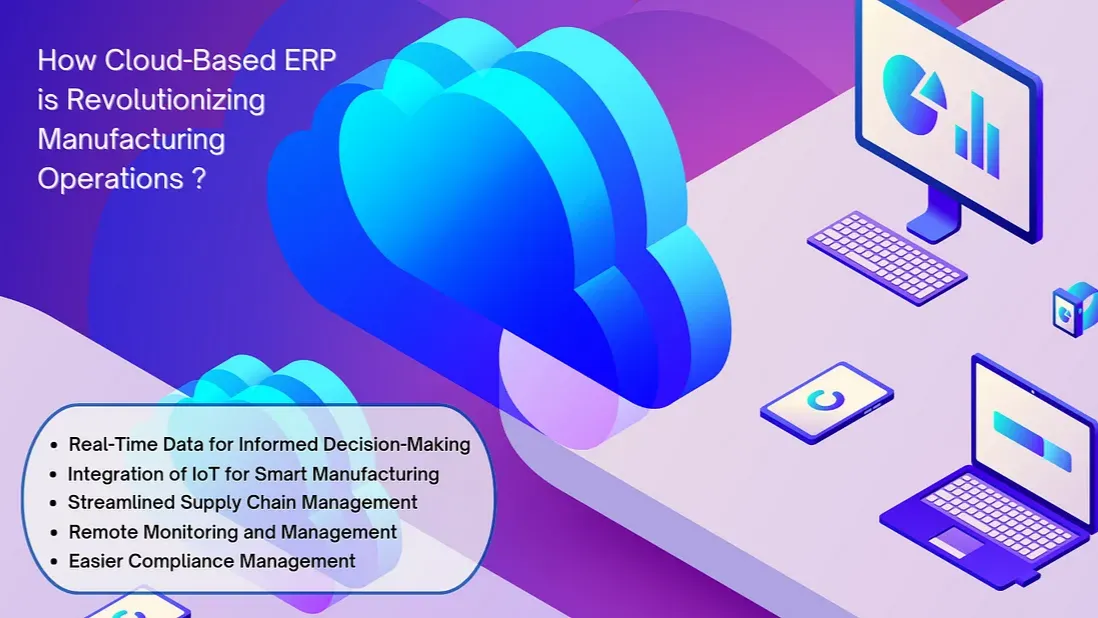
Welcome to the ultimate guide to Oracle Netsuite ERP system! Whether you are a business owner looking to streamline your operations or an IT professional seeking to understand the ins and outs of this popular software, you’ve come to the right place. Oracle Netsuite ERP system is a comprehensive solution that can help your organization manage finances, inventory, CRM, and more in one integrated platform. In this guide, we will explore the features, benefits, and implementation process of Netsuite ERP to help you make the most of this powerful tool.
Introduction to Oracle Netsuite ERP System
Oracle Netsuite ERP is a cloud-based enterprise resource planning (ERP) software that streamlines business processes, enhances productivity, and drives growth for organizations of all sizes. This robust system offers a comprehensive suite of tools to manage financials, customer relationships, inventory, human resources, and more in one integrated platform. By combining core business functions into one centralized system, Netsuite ERP enables companies to make informed decisions, improve operational efficiency, and adapt to changing market dynamics.
One of the key benefits of Oracle Netsuite ERP is its scalability, allowing businesses to easily expand and customize their system as their needs evolve. Whether a small startup or a large corporation, organizations can tailor Netsuite ERP to meet their specific industry requirements and growth objectives. Additionally, the cloud-based nature of Netsuite ERP provides real-time access to critical business data from anywhere, at any time, fostering collaboration among teams and enhancing decision-making capabilities.
Another highlight of Oracle Netsuite ERP is its suite of features designed to enhance financial management. From automating processes such as accounting, billing, and financial planning to providing real-time insights into company performance, Netsuite ERP empowers organizations to optimize their finances and drive profitability. With advanced analytics and reporting tools, businesses can gain a comprehensive view of their financial health and make data-driven decisions to fuel business growth.
Moreover, Oracle Netsuite ERP offers robust customer relationship management (CRM) capabilities to help businesses build lasting relationships with their customers. By centralizing customer data, tracking interactions, and automating marketing campaigns, Netsuite ERP enables companies to deliver personalized experiences and drive customer loyalty. With a 360-degree view of customer interactions across sales, marketing, and customer service, organizations can enhance customer satisfaction and drive revenue growth.
In conclusion, Oracle Netsuite ERP is a powerful solution that helps businesses streamline operations, drive growth, and succeed in today’s competitive market. With its comprehensive suite of tools, scalability, and cloud-based architecture, Netsuite ERP empowers organizations to optimize their processes, make informed decisions, and deliver exceptional customer experiences. Whether a small business or a multinational enterprise, Oracle Netsuite ERP provides the capabilities needed to transform operations, drive profitability, and achieve sustainable growth.
Features and benefits of Oracle Netsuite ERP System
Oracle Netsuite ERP System is a comprehensive cloud-based solution that caters to the needs of businesses of all sizes. It offers a wide range of features and benefits that can help streamline operations, improve efficiency, and drive growth. Let’s take a closer look at some of the key features and benefits of Oracle Netsuite ERP System.
1. Integrated Business Management
One of the key features of Oracle Netsuite ERP System is its integrated approach to business management. It provides a unified platform that combines all core functions of a business, including financials, inventory management, order management, CRM, and e-commerce. This comprehensive integration allows for real-time visibility and seamless communication between different departments, leading to improved decision-making and operational efficiency.
2. Customization and Flexibility
Oracle Netsuite ERP System offers a high level of customization and flexibility, allowing businesses to tailor the system to their specific needs. Users can easily customize workflows, reports, dashboards, and other features to meet their unique requirements. This flexibility ensures that the ERP system can adapt to changes in the business environment and continue to support the organization’s growth and evolution.
Furthermore, Oracle Netsuite ERP System is built on a modular architecture, which means that businesses can easily add or remove modules as needed. This scalability allows businesses to start small and expand their ERP system as their needs grow, without having to invest in a completely new system.
3. Real-time Business Insights
Another key benefit of Oracle Netsuite ERP System is its ability to provide real-time insights into business performance. The system offers a wide range of reporting and analytics tools that allow users to track key metrics, monitor KPIs, and generate actionable insights. With this real-time visibility, businesses can make informed decisions, identify opportunities for improvement, and stay ahead of competition.
4. Cloud-based Solution
Oracle Netsuite ERP System is a cloud-based solution, which means that businesses can access the system anytime, anywhere, as long as they have an internet connection. This flexibility allows for remote work, mobile access, and collaboration among team members in different locations. In addition, the cloud-based nature of the system ensures automatic updates, data backups, and security enhancements, without the need for manual intervention.
5. Cost-effective Solution
Implementing and maintaining an ERP system can be a significant investment for businesses. However, Oracle Netsuite ERP System offers a cost-effective solution that can help businesses save money in the long run. With its subscription-based pricing model, businesses can avoid upfront costs and pay only for the modules and features they need. This pay-as-you-go approach allows businesses to scale their ERP system according to their budget and requirements, without overspending on unnecessary features.
In conclusion, Oracle Netsuite ERP System offers a wide range of features and benefits that can help businesses streamline operations, improve efficiency, and drive growth. With its integrated business management, customization and flexibility, real-time insights, cloud-based nature, and cost-effective pricing, Oracle Netsuite ERP System is a powerful tool for businesses looking to enhance their competitiveness and agility in today’s fast-paced business environment.
Implementation process of Oracle Netsuite ERP System
Implementing the Oracle Netsuite ERP system can be a complex process, but with proper planning and execution, it can streamline your business operations and improve overall efficiency. The implementation process typically consists of several key steps that need to be followed in order to ensure a successful deployment.
The first step in the implementation process is to assess your business needs and requirements. This involves conducting a thorough analysis of your current processes, systems, and workflows to identify areas that could benefit from the Netsuite ERP system. By understanding your specific requirements, you can tailor the implementation to suit your business needs.
Once you have identified your business needs, the next step is to design a customized implementation plan. This plan should outline the specific goals and objectives of the implementation, as well as the timeline and resources required to complete the project. It is important to involve key stakeholders in the planning process to ensure that all aspects of the implementation are considered.
After the implementation plan has been developed, the next step is to configure the Netsuite ERP system to meet your business requirements. This involves setting up modules, customizing workflows, and integrating third-party applications to ensure seamless operation. It is crucial to test the system extensively during this phase to identify any potential issues and make necessary adjustments.
Once the system has been configured, the next step is to train your employees on how to use the Netsuite ERP system effectively. Providing comprehensive training and support is essential for ensuring a smooth transition to the new system. This may involve on-site training sessions, user manuals, and ongoing support to address any questions or issues that arise.
Finally, the last step in the implementation process is to go live with the Netsuite ERP system. This involves migrating data from your old systems to the new system, finalizing configurations, and ensuring that all processes are running smoothly. It is important to monitor the system closely during the go-live phase to identify any potential issues and address them promptly.
In conclusion, the implementation process of the Oracle Netsuite ERP system is a comprehensive and multi-step process that requires careful planning, execution, and support. By following these key steps and working closely with your implementation team, you can successfully deploy the Netsuite ERP system and improve your business operations.
Integration capabilities of Oracle Netsuite ERP System
One of the key strengths of Oracle Netsuite ERP system is its robust integration capabilities. The system is designed to seamlessly integrate with a variety of third-party applications and systems, making it easy for businesses to streamline their operations and maximize efficiency.
Oracle Netsuite ERP system offers pre-built integrations for popular software applications such as Salesforce, Shopify, Magento, and more. These integrations allow businesses to sync data between Netsuite and their other systems in real-time, eliminating the need for manual data entry and reducing the risk of errors.
Furthermore, Oracle Netsuite ERP system also offers a powerful SuiteCloud platform that allows businesses to build custom integrations with their unique systems and applications. This platform provides developers with tools and resources to create seamless integrations that meet the specific needs of their organization.
Another key feature of Oracle Netsuite ERP system is its support for web services APIs, which allow businesses to easily connect their ERP system with external applications and services. This makes it easy for businesses to automate processes, share information, and improve the overall efficiency of their operations.
In addition, Oracle Netsuite ERP system also offers support for EDI (Electronic Data Interchange) integrations, which allow businesses to exchange data with their trading partners in a standardized format. This streamlines the order processing and fulfillment process, improves accuracy, and reduces the risk of errors.
Overall, the integration capabilities of Oracle Netsuite ERP system set it apart from other ERP solutions on the market. With its pre-built integrations, custom integration platform, support for web services APIs, and EDI integrations, Oracle Netsuite ERP system provides businesses with the flexibility and scalability they need to grow and succeed in today’s competitive business environment.
Cost analysis and ROI of Oracle Netsuite ERP System
Implementing an Enterprise Resource Planning (ERP) system like Oracle Netsuite can be a significant financial investment for a company. However, the benefits and return on investment (ROI) that come from using Netsuite can often outweigh the initial costs. Let’s break down the cost analysis and ROI of implementing Oracle Netsuite ERP system.
1. Initial Setup Costs: When implementing Oracle Netsuite ERP system, there are several initial setup costs to consider. This includes licensing fees, implementation costs, customization fees, data migration costs, and training expenses. While these costs can add up, the ability to streamline business processes and improve efficiency with Netsuite often justifies the initial investment.
2. Subscription Fees: Oracle Netsuite operates on a subscription-based pricing model. This means that companies pay a monthly or annual fee to use the software. The subscription fees vary based on the number of users, modules, and customization required. While these subscription fees can be an ongoing cost, the benefits of using a cloud-based ERP system like Netsuite often outweigh the expenses.
3. Maintenance Costs: In addition to subscription fees, companies also need to factor in maintenance costs for Oracle Netsuite ERP system. This includes regular updates, technical support, and ongoing training for employees. While maintenance costs can add up over time, the continuous improvements and support provided by Netsuite contribute to the long-term success of using the ERP system.
4. Customization and Integration Costs: Depending on the specific needs of a company, customization and integration costs may also be incurred when implementing Oracle Netsuite ERP system. This includes tailoring the software to fit the unique business processes and integrating Netsuite with other third-party applications. While customization and integration costs require an additional investment, the ability to have a tailored ERP system often leads to increased efficiency and productivity.
5. Return on Investment (ROI): The ROI of implementing Oracle Netsuite ERP system can be substantial for companies. By streamlining processes, improving data accuracy, enhancing collaboration, and providing real-time insights, Netsuite can help companies reduce costs, increase revenue, and drive growth. The ability to make informed business decisions based on accurate and up-to-date information can lead to improved profitability and competitive advantage.
In conclusion, while there are various costs associated with implementing Oracle Netsuite ERP system, the return on investment that comes from using the software can often justify the expenses. By considering the initial setup costs, subscription fees, maintenance costs, customization and integration costs, and the potential ROI, companies can make an informed decision about whether Oracle Netsuite is the right ERP system for their business.